Reviewing the Christmas Tree Star for Craft Fairs
As an embroidery designer who has spent countless hours hunched over hoops and navigating the bustling aisles of weekend craft fairs, I have learned that not every design translates into a bestseller. Some designs are technically impressive but visually quiet, while others possess an immediate charm that stops shoppers in their tracks. Today, I am putting the Christmas Tree Star under the microscope. This is not just a technical review; it is a strategic assessment of how this specific motif performs in the real world of handmade retail.
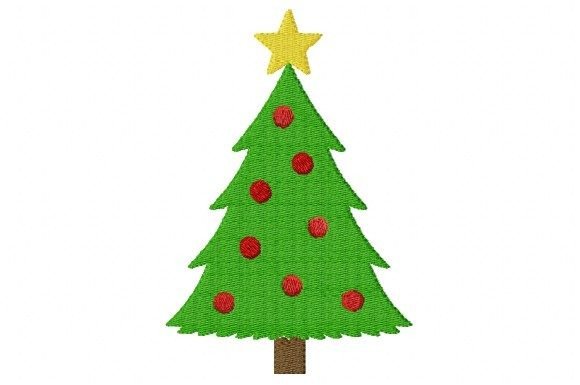
The product description promises a "friendly and playful accent," specifically noting its appeal for children’s clothing. From a designer’s perspective, this sets a clear tone. We are not looking at a hyper-realistic, intricate botanical study or a stark, modern minimalist line art piece. Instead, the Christmas Tree Star leans into the cute, festive, and approachable aesthetic that dominates the holiday market. For craft fair sellers and Etsy shop owners, this distinction is vital. It tells us exactly where this design belongs in our product lineup.
First Impressions and Visual Appeal
When I first loaded the machine embroidery design into my software, the immediate impression was one of warmth. The shape suggests a classic holiday symbol, but the execution described as "adorable" implies soft curves and perhaps a slightly whimsical proportion. In a crowded craft fair booth, clarity is king. Shoppers scan tables quickly. A design that reads instantly as "festive" without requiring close inspection has a higher conversion rate. The Christmas Tree Star appears to offer that instant recognition.
However, visual appeal is only half the battle. The other half is versatility. Does this design work on a dark navy tote bag? Will it get lost on a textured waffle-weave tea towel? Based on its intended use for children’s clothing, I suspect the design relies on bold, clear lines rather than micro-details. This is a positive trait for commercial embroidery. Bold designs tend to photograph better for online listings and hold up better against the varied lighting conditions of a market tent.
Strategic Product Placement for Maximum Sales
To maximize the potential of the Christmas Tree Star, we must match the design to the right substrate. Here is how I would deploy this asset across a typical holiday product range:
- Tote Bag Design: A canvas tote is a staple for any small shop product line. Placing the star centrally or as a corner accent creates a balanced look. Because totes are often used for gift-giving, the festive nature of the star adds perceived value.
- Apron Embroidery: Holiday baking aprons are huge sellers. The playful nature of this design fits perfectly on a child-sized apron or as a pocket detail on an adult version. It feels personal and handmade, which is exactly what boutique buyers seek.
- Tea Towel Embroidery: Kitchen textiles are impulse buys. The key here is placement. Ensure the design is positioned where it won’t be obscured by folds when displayed on a rack.
- Embroidered Patch: If the design allows for a satin stitch border, turning this into an iron-on patch expands your inventory without committing to a specific garment. Patches are low-risk, high-margin items for craft fairs.
- Caps and Beanies: Curved surfaces are tricky. If the hoop size is small enough, this could work on a beanie cuff. However, avoid placing it on the front panel of a structured cap unless you are experienced with curved hooping, as distortion can ruin the "cute" factor.
Production Practicalities and Technical Considerations
For the embroidery business owner, time is money. A design that requires excessive trimming or frequent thread breaks is a profit killer. While I do not have the exact stitch count for this specific file, the description suggests a focus on playfulness rather than complexity. This usually correlates with manageable run times. However, there are critical technical factors to verify before you commit to batch production.
First, check the stitch density. If the star has large filled areas, ensure the density is appropriate for the fabric. Too dense, and you risk puckering lightweight cottons; too sparse, and the backing will show through on dark fabrics. Always test on scrap fabric that matches your final product material. Second, consider the thread colors. A "Christmas" theme often invokes red, green, and gold. Ensure your digitized file uses standard thread chart colors to minimize changes, or plan your color palette to match your brand’s aesthetic.
Stabilizer choice is equally important. For a playful design on children’s clothing, comfort is paramount. Use a soft cut-away stabilizer for garments that will be washed frequently, ensuring the design remains stable without feeling stiff against a child’s skin. For tote bags, a tear-away might suffice, but test it first to ensure no residue remains.
Navigating Common Pitfalls
Even the cutest design can fail if applied incorrectly. Here are some careful-use notes for the Christmas Tree Star:
- Fabric Texture: Avoid using this design on highly textured towels like thick terry cloth unless you use a water-soluble topping. The "playful" details may sink into the pile and lose clarity.
- Size Constraints: Do not shrink this design beyond its recommended minimum. Tiny details, such as the points of the star or any internal decorative elements, will merge and become unreadable if scaled down too far. Respect the original embroidery file dimensions.
- Dark Fabrics: If stitching on black or navy, ensure the design has sufficient underlay stitches to prevent the fabric color from bleeding through the top stitches. A slight adjustment in brightness for your thread colors can also help the design pop.
Enhancing Your Brand and Booth Display
How does the Christmas Tree Star contribute to your brand consistency? If your shop focuses on whimsical, family-oriented goods, this design is a perfect fit. It reinforces a narrative of joy and tradition. For your booth display, use this design on high-visibility items. A pillow cover with this star can serve as a prop that draws the eye, even if you are primarily selling smaller items like patches.
For the Etsy seller, the digital presentation is everything. Create a printable mockup that shows the design in situ—perhaps on a cozy sweater or a gift bag. High-quality images that demonstrate the scale and texture of the embroidery will increase buyer engagement. Remember, customers cannot touch the product online, so your photos must convey the quality of the stitch work.
Final Designer Verdict
The Christmas Tree Star is a strong contender for your holiday lineup. Its strength lies in its emotional resonance—it is friendly, playful, and undeniably festive. It works best as an accent piece rather than a massive focal point, making it ideal for apparel, accessories, and home decor accents.
Before you launch your craft fair product run, take the time to verify the commercial licensing terms of your digital embroidery file. Ensure you have the rights to sell finished products. Then, stitch out samples on your intended materials. Check the tension, inspect the back for cleanliness, and confirm that the hoop size fits your machine’s capabilities. By treating this design with professional rigor, you transform a simple graphic into a profitable, high-quality handmade product that customers will love to give and receive.
In the competitive world of handmade markets, success comes from combining creative charm with technical precision. The Christmas Tree Star offers the charm; your expertise provides the precision. Stitch smart, display boldly, and let this festive design shine in your holiday collection.