Faith Joy Hope Christmas Tree: A Designer’s Review
As the holiday season approaches, my design table becomes a chaotic yet joyful landscape of thread spools, fabric swatches, and digital mockups. Every year, I search for that one standout motif that captures the true spirit of the season without overwhelming the garment or home decor item it adorns. This year, my attention has been captured by the Faith Joy Hope Christmas Tree. As an experienced embroidery designer, I look beyond mere aesthetics; I evaluate how a design performs in the real world of production, sales, and customer satisfaction. Here is my practical review of this unique machine embroidery design and how it can elevate your seasonal product line.
First Impressions: Mood and Aesthetic Appeal
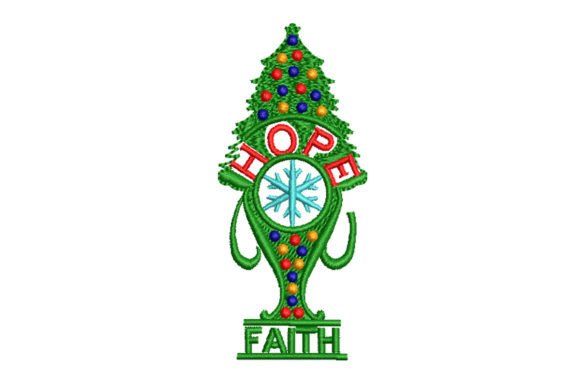
The first thing that strikes me about the Faith Joy Hope Christmas Tree is its emotional resonance. In a market saturated with generic snowflakes and cartoonish reindeer, this design offers a grounded, spiritual warmth. It balances traditional festive imagery with a message of core values. The aesthetic feels both nostalgic and modern, making it versatile for a wide demographic. It is not overly ornate, which suggests a clean stitch path, but it possesses enough detail to feel premium. For buyers seeking a handmade gift that conveys sincerity rather than just novelty, this design hits the mark. It feels cozy, elegant, and deeply personal, perfect for customers who value meaning in their holiday decorations and apparel.
Strategic Product Applications for Holiday Sales
When planning a seasonal collection, versatility is key. The Faith Joy Hope Christmas Tree is not just a pretty picture; it is a strategic asset for various product categories. Here is how I envision this embroidery file performing across different items:
- Sweatshirt Embroidery: Placed on the left chest or as a larger back piece, this design transforms a basic hoodie into a cherished family heirloom. The text elements provide a focal point that draws the eye, making it ideal for personalized gift options where names can be added below the tree.
- Kitchen Towel Embroidery: Holiday hosting is huge, and linen towels with meaningful motifs sell quickly. The design’s structure likely holds up well on waffle weave or flour sack towels, adding a touch of sophistication to the kitchen.
- Tote Bag Design: For the eco-conscious shopper, a canvas tote featuring this motif serves as a reusable gift bag or a stylish everyday carry. The contrast of thread against natural cotton canvas creates a rustic, artisanal look.
- Pillow Cover and Home Decor: A velvet or linen pillow cover with this design becomes a centerpiece for living room decor. It invites guests to sit and stay, reinforcing the themes of faith and joy.
- Embroidered Patch: If the design scales down effectively, it could be produced as an iron-on patch, allowing customers to customize their own jackets or jeans, expanding your reach to DIY enthusiasts.
Navigating Technical Challenges and Production Notes
While the visual appeal is strong, a professional designer must anticipate technical hurdles. Before launching this as a small shop product, you must consider the mechanics of stitching. Since the product description notes it is a "quick and easy" way to add personality, we can infer the stitch count is manageable, but verification is essential.
Hoop Size and Scaling: Ensure you confirm the available hoop size options. If you plan to use this on baby items or small ornaments, you need a version that retains legibility at a smaller scale. Tiny lettering can easily become illegible if the design is reduced too much without adjusting stitch density.
Fabric Texture and Stabilizer: The success of any digital embroidery file depends on the foundation. For stretchy garments like sweatshirts, a cut-away stabilizer is non-negotiable to prevent puckering. For woven fabrics like kitchen towels, a tear-away might suffice, but always test first. The stitch density must be balanced; too dense, and you risk perforating delicate fabrics; too sparse, and the underlying fabric may show through, ruining the crispness of the tree shape.
Thread Colors and Contrast: This design relies on the interplay between the tree shape and the text. I recommend testing thread colors on both light and dark fabrics. Traditional reds and greens work, but consider modern palettes like navy and gold, or monochrome white-on-white for a subtle, elegant look. Avoid metallic threads unless you are experienced with them, as they can break easily and complicate production speed during the high-volume holiday rush.
Marketing and Visual Storytelling
For the Etsy seller or independent creator, the image is everything. The Faith Joy Hope Christmas Tree lends itself beautifully to lifestyle photography. Imagine a mockup of a steaming mug next to a towel featuring this design, or a child wearing a sweatshirt with the motif while opening gifts. These visuals tell a story of connection and tradition.
Use this design to create cohesive social media previews. Show the progression from the printable mockup to the finished product. Highlight the texture of the stitches in close-up shots. Customers buying online cannot touch the product, so your photos must convey the quality of the embroidery. Emphasize that this is a tool for creating meaningful holiday embroidery pieces that stand out in a crowded marketplace.
Commercial Licensing and Business Ethics
Before you list any items for sale, you must address the legalities. As a creator of commercial embroidery products, ensuring you have the correct license for the digital embroidery file is critical. Check the terms provided by the designer. Some licenses allow unlimited physical sales, while others may have caps. Transparency builds customer trust. If you are unsure, contact the file provider directly. Protecting your business ensures that your holiday season is profitable and stress-free.
Final Verdict for Seasonal Collections
The Faith Joy Hope Christmas Tree is more than just a decorative element; it is a vehicle for emotion. In the fast-paced world of holiday retail, products that evoke feeling convert better. This design offers a blend of spiritual significance and festive charm that appeals to a broad audience. It is suitable for seasonal embroidery projects ranging from high-end home decor to casual apparel.
My advice to fellow designers and shop owners is to treat this design with care. Test it rigorously on your specific machines and fabrics. Create a variety of colorways to appeal to different tastes. Use it to anchor a collection that celebrates the deeper meanings of the season. By doing so, you not only sell a product but also share a sentiment. That is the power of well-chosen embroidery. Let this design be the cornerstone of your holiday offerings, bringing faith, joy, and hope to your customers’ homes and hearts.