Review: Red Cardinal Bird and Fruit Embroidery Design
As a designer who spends more time staring at stitch maps than actual fabric, I have learned that not every digital file translates well into a physical embroidery project. Some designs look vibrant on a screen but turn into a tangled mess of thread breaks and puckering once the needle hits the hoop. When I first loaded the Red Cardinal Bird and Fruit design into my software, my immediate reaction was one of cautious optimism. The visual balance between the bold red plumage and the accompanying fruit elements suggests a thoughtful layout, but the real test is always in the stitching.
This review is written for fellow embroidery designers, Etsy sellers, and craft business owners who need to know if this asset is worth adding to their library. We are not just looking at pretty pictures; we are evaluating whether this machine embroidery design can hold up under the scrutiny of a paying customer and the mechanical stress of high-speed production.
First Impressions and Visual Mood
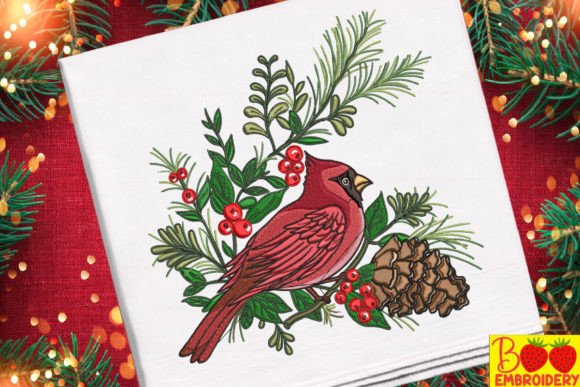
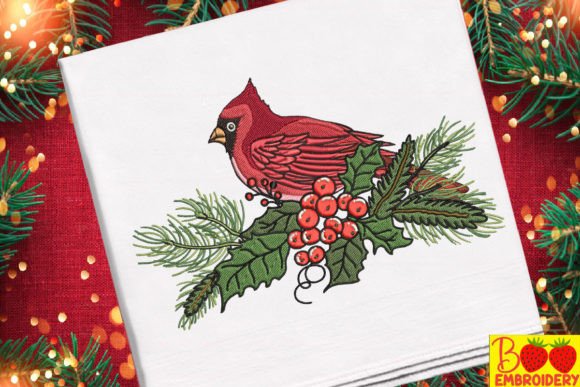
The Red Cardinal Bird and Fruit design carries a distinct seasonal warmth. It does not scream "holiday" in a cliché, oversized font way, but rather evokes the quiet beauty of winter nature. This subtlety is its strongest selling point. For a boutique owner, this means the design has longevity beyond December 25th. It fits comfortably into late autumn decor and early spring themes, giving your inventory a longer shelf life.
The composition relies heavily on contrast. The cardinal’s bright red against the likely green or neutral tones of the fruit creates a natural focal point. In terms of thread colors, this design demands precision. If you are using a lower-quality rayon or polyester thread, the gradient effects in the bird’s feathers might look blocky rather than smooth. I recommend testing with high-sheen threads to capture the lifelike quality intended by the digitizer. The mood is nostalgic and cozy, making it an ideal candidate for personalized gift items that aim to evoke emotion rather than just display a logo.
Real-World Application: The Tote Bag Test
To evaluate practicality, I mentally placed this design on a canvas tote bag—a staple for any small shop product. Canvas is a sturdy, woven fabric that handles stitch density well, provided you use the correct stabilizer. The Red Cardinal Bird and Fruit design appears to have a moderate density, which is crucial here. Too dense, and the bag becomes stiff and board-like; too sparse, and the fabric shows through, ruining the image clarity.
In this scenario, the design sits comfortably in a 5x7 or 6x10 hoop. The layout is horizontal enough to look balanced on the front of a bag without hanging off the edges. For an Etsy seller, this versatility is key. You can market it as a reusable grocery bag, a book lover’s tote, or a gardener’s accessory. The fruit element adds a touch of whimsy that appeals to a broader demographic than a bird-only design might. When creating your printable mockup or digital previews, ensure you show the design on textured fabrics to prove its adaptability to customers.
Apparel and Custom Wearables
Moving from home decor to custom apparel, the stakes get higher. Stitching on a sweatshirt or a t-shirt requires a different approach than canvas. For sweatshirt embroidery, the pile of the fleece can swallow small details. I examined the finer points of the cardinal’s eye and the stem of the fruit. If these details are rendered with simple running stitch or very thin satin stitch columns, they may get lost in the fabric texture.
If you plan to use this on a dark hoodie, you must consider underlay stitches. A proper embroidery file should include a dense underlay to push the fleece down and create a smooth surface for the top stitches. Without checking the file properties first, you risk the red thread blending into the shadows of the fabric weave. For lighter garments like baby clothes, the design’s softness is an asset, but you must ensure the back of the stitching is clean. No one wants scratchy thread ends against a baby’s skin. Using a soft cut-away stabilizer is non-negotiable here to maintain the shape of the baby embroidery item after multiple washes.
Technical Considerations and Pitfalls
While the aesthetic is strong, there are areas where the Red Cardinal Bird and Fruit design requires careful handling. Any design with organic shapes and varying color blocks poses a risk of registration errors. If your machine is not perfectly calibrated, the gap between the red bird and the green fruit might show white fabric peeking through. This is known as "gapting," and it looks unprofessional on a finished product.
Additionally, consider the hoop size constraints. If you are trying to squeeze this into a 4x4 hoop for a patch or a cap, you might lose critical detail. Caps are curved surfaces, and designs that are too wide will distort when hooped. I would advise against using this specific layout on a standard baseball cap unless you verify the dimensions fit within the usable area of a cap frame. For embroidered patch creation, however, it could work beautifully if scaled down and backed with heavy-duty stabilizer to prevent fraying.
Another technical note concerns the applique design potential. If this file includes applique elements, ensure you have the right fabric scraps on hand. If it is purely stitched, be mindful of thread consumption. Large fill areas can use up significant amounts of thread, impacting your cost per unit. Always calculate your thread usage before pricing your craft business items to ensure profitability.
Commercial Viability and Brand Consistency
For those running a commercial embroidery operation, consistency is everything. The Red Cardinal Bird and Fruit design offers a classic look that aligns well with brands focusing on nature, heritage, or home comfort. It does not look trendy in a way that will date quickly, which protects your investment in the digital embroidery file.
When listing this on your online store, transparency builds trust. Mention that the design has been tested for clarity and durability. Show close-up photos of the stitch work. Customers buying holiday embroidery gifts are often looking for heirloom quality. If your stitching looks clean, with no loose jumps or messy backs, you justify a higher price point. This design supports that premium feel if executed correctly.
Final Designer Notes
Before you commit to a large production run, follow these steps:
- Test on scrap fabric: Always stitch out a sample on the exact material you plan to sell. Fabric weight and weave change everything.
- Check thread contrast: Ensure your red thread stands out against your chosen background. Test on both light and dark fabrics.
- Review stitch density: Look at the file properties. If it seems too dense for lightweight fabric, adjust your stabilizer or avoid using it on delicate materials.
- Confirm licensing: Verify the terms of use for the design assets. Can you sell finished items? Are there restrictions on digital redistribution? Never assume.
- Inspect small details: Zoom in on the digitizing software. Check for unnecessary jump stitches or overlapping colors that could cause bulk.
The Red Cardinal Bird and Fruit is a solid addition to a designer’s toolkit. It balances artistic charm with practical application, provided you respect the technical requirements of the medium. Whether you are creating a tote bag design for a local market or a set of Christmas gifts for clients, this design offers the visual impact needed to stand out. Just remember that the file is only half the equation; your choice of thread, fabric, and stabilizer completes the picture.