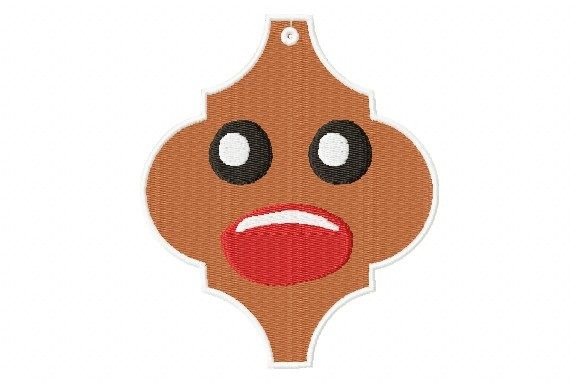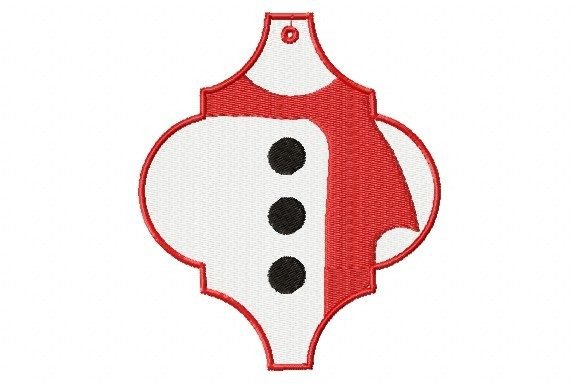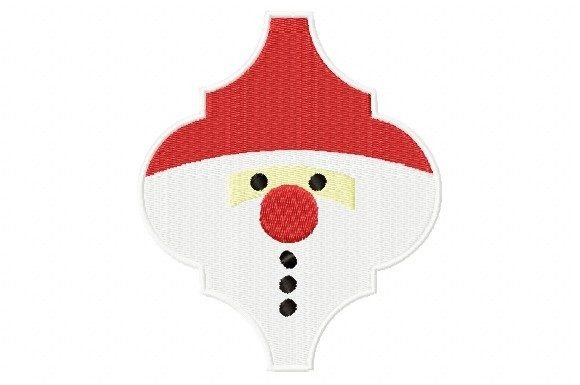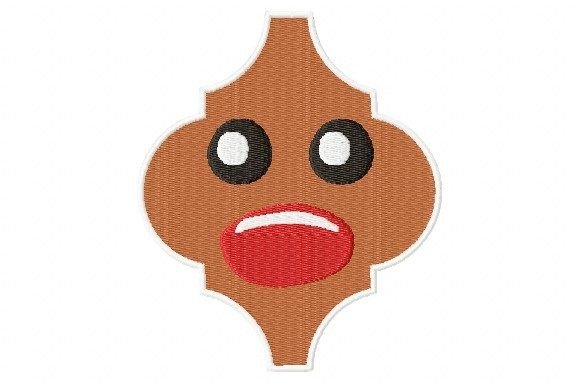
Gingerbread Man Arabesque Ornament Design Review
As an embroidery designer who has spent years digitizing and testing files for small business merchandise, I approach every new machine embroidery design with a critical eye. It is not enough for a motif to be cute; it must be functional, scalable, and capable of holding up under the rigors of commercial production. Today, I am reviewing the Gingerbread Man Arabesque Ornament, a festive digital asset that promises to add a friendly and playful accent to fabric. For boutique owners, Etsy sellers, and apparel decorators, understanding how this specific design translates from a screen to a tangible finished product is crucial for maximizing return on investment.
First Impressions: Balancing Playfulness with Professionalism
The immediate visual impact of the Gingerbread Man Arabesque Ornament is one of warmth and nostalgia. The combination of a classic holiday figure with arabesque detailing suggests a blend of traditional craftsmanship and whimsical charm. In the context of brand identity, this duality is powerful. It feels handmade yet polished, which is exactly what modern consumers look for in premium small business merch. The design does not scream "cheap novelty"; instead, it whispers "artisanal quality." This subtle distinction is vital when you are trying to elevate the perceived value of your products. Whether you are running a local bakery, a creative studio, or a children’s clothing line, this aesthetic aligns well with brands that prioritize comfort, joy, and attention to detail.
Real-World Applications for Small Business Merchandise
The true test of any digital embroidery file is its versatility across different substrates and products. Based on the description, this design is intended to add character to children’s clothing, but its potential extends far beyond that. Here is how I envision this design performing in various commercial scenarios:
- Embroidered Patches: This is perhaps the most lucrative application. By stitching the Gingerbread Man Arabesque Ornament onto twill or felt backing, you can create iron-on or sew-on patches. These are excellent for upselling at checkout counters or including as free gifts with larger orders, enhancing customer loyalty.
- Apron Embroidery: For cafes, bakeries, and florists, branded aprons are walking advertisements. Placing this ornament on the chest pocket or the lower corner of an apron adds a seasonal touch without overwhelming the uniform. It softens the professional look, making staff appear more approachable during the holiday rush.
- Tote Bag Design: Canvas tote bags are staples for eco-conscious brands. The sturdy texture of canvas handles embroidery well, allowing the arabesque details to stand out. This makes for a practical and stylish promotional item that customers will actually use, increasing brand visibility.
- Cap Embroidery: While challenging due to the curved surface, a simplified version of this design could work beautifully on the side panel of a dad hat or beanie. It offers a subtle nod to the season, perfect for streetwear-inspired boutique collections.
- Custom Apparel Accents: Beyond children’s clothing, consider using this as a sleeve detail on adult sweatshirts or as a small chest logo accent on flannel shirts. It serves as a delightful surprise element that encourages closer inspection of the garment.
Navigating Technical Constraints and Production Risks
While the artistic merit of the Gingerbread Man Arabesque Ornament is clear, practical execution requires careful planning. As a designer, I must warn against assuming that every file is ready for immediate mass production. There are specific areas where this design needs scrutiny before you commit to large runs of custom apparel or accessories.
Stitch density is a primary concern. Arabesque patterns often involve intricate curves and overlapping lines. If the digitizer has packed too many stitches into a small area, the result can be a stiff, puckered patch that ruins the drape of the fabric. This is particularly problematic on lightweight materials like silk blends or thin cottons used in high-end children’s wear. Always request a sample stitch-out on the actual fabric you intend to use.
Furthermore, consider the hoop size relative to the design dimensions. If the ornament is large, it may require a bigger hoop, which limits where you can place it on smaller items like baby onesies or pocket squares. Conversely, if you shrink the design too much to fit a small space, the fine details of the arabesque work may merge together, losing definition. This is known as "closing up," and it turns a crisp design into a muddy blob.
Another critical factor is thread colors and contrast. The description mentions a "cute" and "friendly" vibe, which usually implies warm browns, reds, and greens. However, if you are stitching this on dark uniforms, you must ensure there is sufficient contrast. A dark brown gingerbread man on a navy blue shirt will vanish. You may need to adjust the color palette or add a satin stitch border to make the design pop against darker fabric texture backgrounds.
Enhancing Brand Identity and Customer Trust
Incorporating the Gingerbread Man Arabesque Ornament into your product line is not just about decoration; it is a strategic move for brand identity. Consistent use of high-quality embroidery signals professionalism. When a customer receives a package with a beautifully stitched tote bag or a shirt with a precise, clean emblem, their trust in your brand deepens. They perceive the item as valuable, durable, and thoughtfully created.
This design specifically taps into the emotional connection people have with the holidays. By using a recognizable symbol like a gingerbread man, but elevating it with elegant arabesque flourishes, you position your brand as both traditional and sophisticated. This appeals to buyers who want festive items that do not feel disposable. It transforms a simple transaction into an experience, fostering buyer engagement and encouraging social media shares, which are invaluable for organic marketing.
Practical Designer Notes for Implementation
Before you purchase this embroidery file or begin production, follow these essential steps to ensure success:
- Test in Black and White: Print or stitch the design in monochrome first. This helps you evaluate the clarity of the lines and the balance of positive and negative space without the distraction of color.
- Check Scalability: Verify if the design holds its integrity at smaller sizes. If you plan to use it on patches, ensure the smallest details are still visible and do not break the needle.
- Review Stabilizer Requirements: Intricate designs often require cut-away stabilizer for long-term durability, especially on items that will be washed frequently, like children’s clothing and aprons. Do not skimp on stabilization.
- Create a Printable Mockup: Use digital tools to place the design on photos of your actual products. This allows you to visualize scale and placement before committing to thread and fabric.
- Confirm Commercial Licensing: Always read the license terms associated with the design assets. Ensure that the file allows for commercial use, especially if you plan to sell the finished products or use them for branded merchandise.
- Inspect Spacing: Look closely at the distance between the gingerbread figure and the arabesque elements. Adequate spacing prevents thread buildup and ensures a cleaner finish.
In conclusion, the Gingerbread Man Arabesque Ornament offers significant potential for small businesses looking to add a festive, high-quality touch to their offerings. By approaching this commercial embroidery project with a focus on technical precision and strategic branding, you can create products that delight customers and strengthen your market presence. Remember, the difference between a good product and a great one often lies in the details of execution.