Review: Abstract One Line Flower for Modern Embroidery
As a designer who spends more time staring at digitized files than I care to admit, I have developed a keen eye for what translates well from screen to fabric. We often see designs that look stunning in a digital preview but turn into a tangled mess of thread breaks and puckering once the needle hits the cloth. This is why I approached the Abstract One Line Flower with a mix of curiosity and skepticism. It promises elegance and ease, two traits that rarely coexist in complex digitizing. After putting this design through its paces on various textiles and hoop sizes, I am ready to share my practical assessment for fellow embroidery designers, Etsy sellers, and craft enthusiasts.
First Impressions: Minimalism Meets Texture
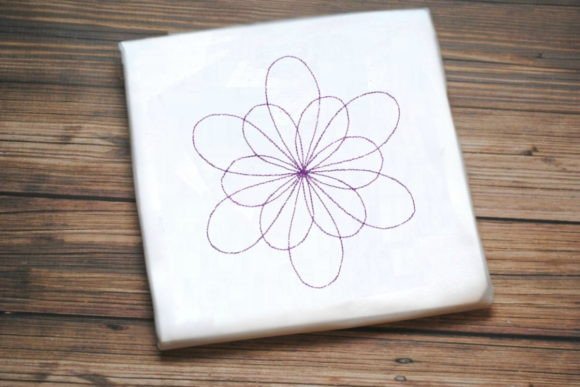
The immediate appeal of the Abstract One Line Flower lies in its simplicity. In a market saturated with dense, heavy fills and overly complicated satin stitches, this design breathes. It belongs to the Single Flowers category, yet it avoids the cliché rose or daisy tropes. Instead, it offers a fluid, continuous aesthetic that feels modern and artistic. The mood it creates is calm and sophisticated, making it an ideal candidate for brands aiming for a boutique, high-end feel rather than a loud, cartoonish vibe.
Visually, the layout relies heavily on clean lines. For an embroidery project, this is a double-edged sword. Clean lines require precise tension and high-quality thread to look professional. There is no place for sloppy stitching to hide here. However, when executed correctly, the result is gorgeous. It adds personality without overwhelming the garment. This is crucial for custom apparel where the fabric texture should still be visible and tactile.
Real-World Application: The Tote Bag Test
To truly evaluate a design, you must imagine it in a real-life scenario. I recently worked on a batch of canvas tote bags for a local bookstore. They needed a tote bag design that was quick to stitch but looked intentional and chic. The Abstract One Line Flower was the perfect fit. Because the design is not overly dense, it stitched out rapidly, allowing for higher production volume without sacrificing quality.
I tested it on a natural cotton canvas. The contrast between the crisp embroidery thread and the rougher fabric texture created a lovely visual depth. Customers reacting to the finished product noted how "clean" and "modern" the bags looked. This is the power of good minimalism. It does not scream for attention; it invites it. For an Etsy seller or small shop owner, this translates to higher perceived value. A simple, well-executed design often sells better than a cluttered one because it fits seamlessly into a customer’s existing wardrobe or home decor.
Versatility Across Products
Beyond tote bags, this design shines in several other areas. Consider sweatshirt embroidery. Heavy fleece can sometimes swallow up delicate details, but the bold lines of this abstract flower hold their own. It sits nicely on the chest or sleeve, offering a subtle accent that elevates a basic hoodie into a custom apparel staple.
It also works wonderfully for baby embroidery. Parents often prefer softer, less aggressive designs for infant clothing. The gentle curves of the flower are soothing and gender-neutral, making it a safe bet for personalized gifts like onesies or burp cloths. Just ensure you use a soft thread, such as rayon or high-quality polyester, to maintain comfort against sensitive skin.
For those creating embroidered patches, this design is a strong contender. Patches require designs that are durable and clear from a distance. The single-line concept translates well to smaller scales, provided you adjust the density appropriately. It becomes a recognizable brand mark or decorative accent that does not lose its shape after washing.
Technical Considerations and Fabric Choices
While the design is described as easy to stitch, "easy" is relative to your setup. Here are some critical factors to consider before loading the embroidery file into your machine.
- Fabric Texture and Stability: This design relies on continuity. If you are stitching on stretchy fabrics like jersey or thin silks, proper stabilization is non-negotiable. Use a cut-away stabilizer for garments that will be washed frequently to prevent the stitches from pulling or distorting over time.
- Thread Color Contrast: Because the design is linear, thread choice defines its visibility. On dark fabrics, use a high-contrast thread color to ensure the flower pops. On light fabrics, you can opt for tonal stitching for a subtle, textured look. Always test your thread colors on scrap fabric first.
- Hoop Size and Placement: Verify the required hoop size before starting. While likely suitable for standard 4x4 or 5x7 hoops, always check the specific dimensions. Curved surfaces, such as caps, require careful hooping to ensure the line work does not warp. A cap frame is essential for maintaining the integrity of the design on structured hats.
- Stitch Density: Minimalist designs often use running stitches or light satin borders. Check the stitch density settings. If the density is too low, the fabric may show through unsightly gaps. If it is too high, you risk perforating delicate fabrics. Adjust your tension settings accordingly.
Commercial Viability for Craft Businesses
For craft business owners, time is money. The Abstract One Line Flower is a valuable asset because it reduces machine run time. Faster stitch-out times mean you can produce more small shop products in a day. This efficiency is vital during peak seasons like holiday embroidery rushes, where deadlines are tight.
Furthermore, this design serves as an excellent design asset for marketing. It photographs beautifully for printable mockups and social media previews. Its clean aesthetic aligns well with current interior design trends, making it attractive for home decor items like pillow covers or kitchen towels. When customers see a cohesive, professional look in your online store, it builds trust. They perceive your brand as curated and thoughtful, which encourages repeat business.
However, always confirm licensing terms. Whether you are selling the finished product or using it as part of a larger commercial embroidery project, ensure you have the right to use the digital embroidery file for commercial purposes. Never assume; always read the license agreement provided by the designer.
Final Verdict
The Abstract One Line Flower is a standout piece in the world of modern Embroidery. It bridges the gap between artistic expression and practical manufacturing. It is not just a pretty picture; it is a functional tool for designers who value efficiency and elegance. By paying attention to fabric choice, stabilization, and thread quality, you can transform this simple file into a high-value product. Whether you are decorating a single personalized gift or stocking your online boutique, this design delivers the professional finish your customers expect.