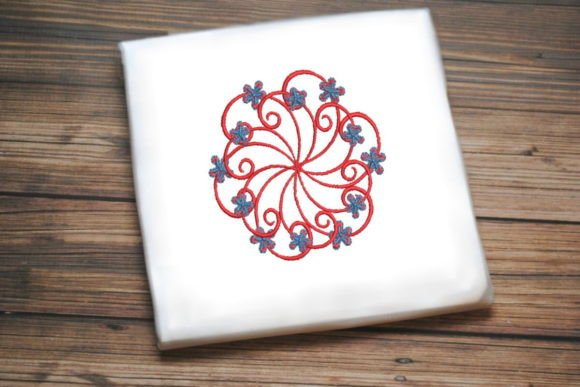
Beautiful Red Flower: A Seller’s Review
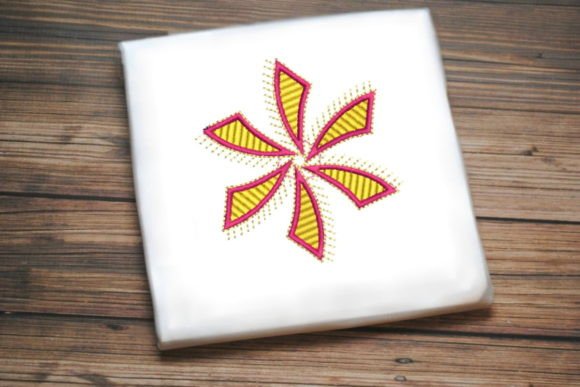
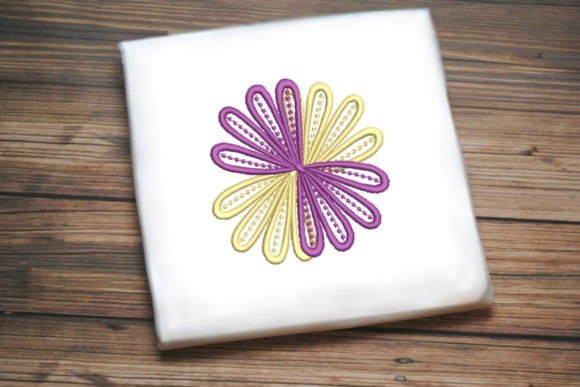
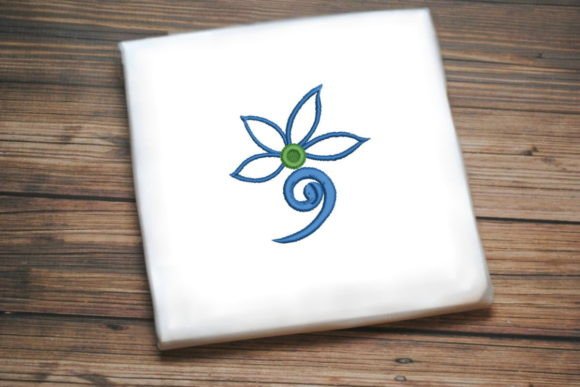
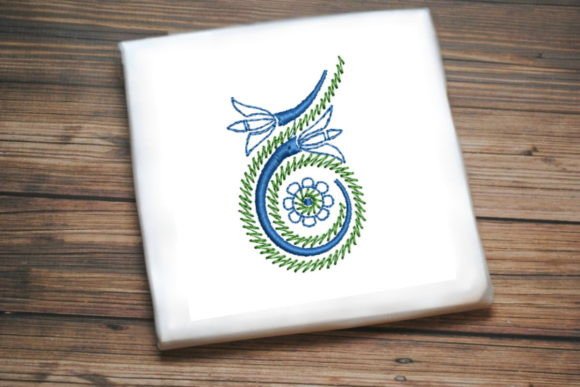
As an experienced embroidery seller who has spent years curating designs for my Etsy shop and local craft fairs, I know that not every digital file translates into a best-selling handmade product. When browsing through the vast library of Creative Fabrica embroidery options, I look for specific traits: versatility, stitch quality, and immediate visual appeal. Recently, I came across a design titled Beautiful Red Flower, categorized under Single Flowers. After evaluating its potential for commercial use, I believe this piece holds significant promise for small shop owners looking to expand their catalog with elegant, high-demand items.
Visual Appeal and Market Positioning
The title alone suggests a classic aesthetic, but the description promises more: a high-quality machine embroidery design that is both fun and easy to stitch. In the world of craft business, "easy to stitch" is a crucial selling point. It implies fewer thread breaks, faster production times, and less waste—factors that directly impact profit margins. The promise that it will look "elegant and gorgeous" on any fabric suggests a versatile style that bridges the gap between rustic charm and modern sophistication.
This design does not scream "seasonal" in a way that limits its shelf life to three months a year. Instead, the red flower motif feels timeless. Red is a power color in retail; it grabs attention in thumbnail images and conveys passion, warmth, and energy. For an Etsy seller, this means the design can serve as a cornerstone for year-round collections rather than being relegated to a holiday-specific folder. It feels feminine without being overly childish, making it suitable for a wide demographic, from young adults buying custom apparel to older customers seeking refined home decor.
Product Applications for Small Shops
When I evaluate a new embroidery file, I immediately mentally map it onto various blanks. The Beautiful Red Flower seems particularly well-suited for several high-margin product categories. Here is how I envision integrating this design into a small product collection:
- Tote Bag Design: A single, bold flower centered on a canvas tote creates an instant chic accessory. The contrast of red thread against natural cotton or heavy-duty linen is visually striking and photographs beautifully for social media previews.
- Sweatshirt Embroidery: Placed on the left chest or as a larger back piece, this design adds a boutique feel to plain sweatshirts. It transforms a basic garment into a personalized gift option that feels curated rather than mass-produced.
- Kitchen Towel Embroidery: Home goods are a staple of successful embroidery shops. Stitching this flower on the corner of flour sack towels creates an affordable entry-level product that encourages add-on sales at craft fairs.
- Baby Embroidery: While red can be bold, if stitched in softer tones or smaller sizes, it works wonderfully on baby blankets and bibs. It offers a classic look that appeals to grandparents looking for heirloom-quality items.
- Embroidered Patch: If the file supports a satin border or clean cut edges, this design could be produced as an iron-on patch. Patches are low-commitment purchases for customers and allow for bulk production during downtime.
Enhancing Buyer Value and Perception
Why does this specific design help a product sell? In the crowded marketplace of commercial embroidery, differentiation is key. The Beautiful Red Flower helps a product feel more giftable because floral motifs are universally appreciated. They remove the guesswork for buyers shopping for others. Furthermore, a well-digitized flower adds a layer of professionalism. It signals that the seller cares about detail and quality.
From a photography standpoint, a singular, vibrant flower provides a strong focal point. When creating printable mockup images or staging real-life photos, the red hue pops against neutral backgrounds like white, beige, gray, or denim. This makes the listing image more clickable in search results. A memorable design leads to brand recognition; if customers associate your shop with crisp, elegant floral work, they are more likely to return for future purchases.
Practical Seller Notes and Technical Considerations
While the potential is high, responsible selling requires due diligence. Before listing any finished product featuring this design, there are several practical steps every digital embroidery file user must take. First and foremost, always test the design. Do not assume the digitization is perfect for every fabric type. Create a sample stitch-out on the actual material you intend to sell, whether it is a thick towel or a stretchy knit.
Pay close attention to stitch density. If the design is too dense for lightweight fabrics, it may cause puckering, requiring additional stabilization efforts. Conversely, if it is too light for heavy denim, it may get lost. You must also confirm the hoop size requirements. Does it fit in a standard 4x4 hoop, allowing for efficient multi-hooping, or does it require a larger 5x7 or 6x10 frame? This affects your production workflow and the types of blanks you can source.
Thread color selection is another critical variable. The preview image may show a specific shade of red, but testing different thread brands and shades can yield surprising results. A deeper burgundy might look more premium on velvet, while a bright scarlet might sing on white cotton. Always compare thread options to find the most flattering combination for your specific niche.
Additionally, ensure you review the licensing terms on the Creative Fabrica product page. While many files come with commercial licenses, it is vital to confirm that you are allowed to sell physical finished products made with the design. Never assume; always verify. Finally, check the readability of the design at listing-thumbnail size. If the details blur when the image is small, consider simplifying the background or adjusting the scale to ensure clarity for mobile shoppers.
Final Verdict for Creative Entrepreneurs
The Beautiful Red Flower represents a solid addition to any embroidery seller’s toolkit. It balances aesthetic elegance with practical usability. For those building a brand around Single Flowers and classic Embroidery styles, this design offers the flexibility needed to create diverse product lines. By focusing on high-quality stitch-outs, thoughtful fabric pairings, and professional presentation, small shop owners can leverage this design to create items that are not only beautiful but commercially viable. As with any new asset, the key to success lies in testing, refining, and presenting the final product with the care and attention that handmade buyers expect.