Old English Font GHI: A Craft Fair Review
As an embroidery designer who has spent countless weekends behind a booth table, I have learned that the difference between a browser and a buyer often comes down to typography. Fonts carry personality. They set the tone before a customer even touches the fabric. Recently, I loaded Old English Font GHI into my machine to test its viability for upcoming market seasons. My goal was simple: determine if this specific lettering style could elevate standard handmade product offerings into premium, high-turnover items.
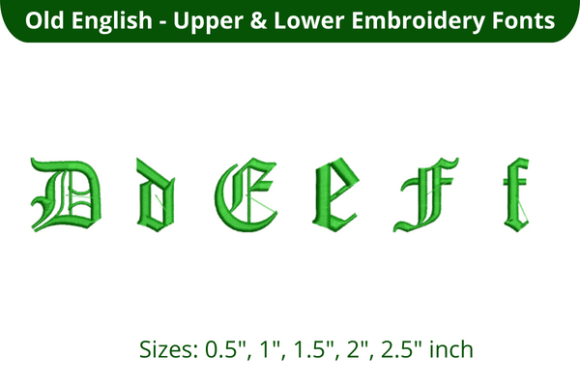
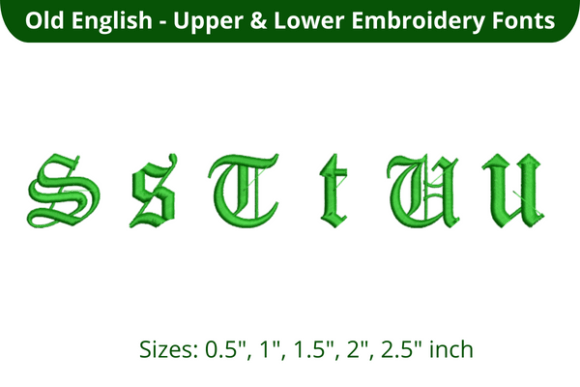
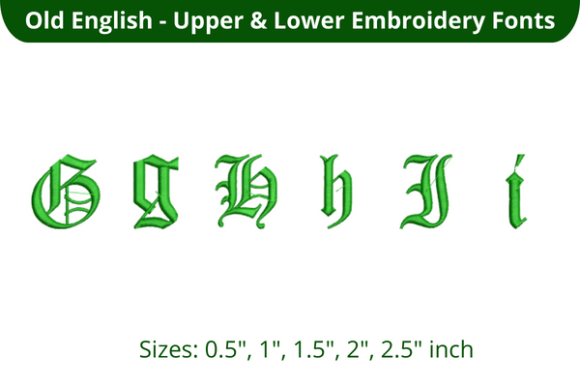
The first impression of this machine embroidery design is one of classic authority mixed with decorative flair. Old English styles are traditionally associated with heritage, elegance, and a touch of rustic charm. For a craft fair setting, this is a powerful combination. It does not scream "modern minimalism," nor does it feel overly cute or childish. Instead, it lands firmly in the realm of timeless and premium. When I stitched out the initial samples, the letters held their structure beautifully, offering a bold visual weight that stands out from a distance—a crucial factor when you are trying to catch the eye of a passerby in a crowded aisle.
Visual Appeal and Product Versatility
The true test of any embroidery file is how it translates across different substrates. I focused my review on items that are staples for Etsy seller inventories and physical booth displays. Here is how Old English Font GHI performed on key products:
- Tote Bags: This was the standout winner. A canvas tote with a single name or a short phrase in this font looks incredibly professional. The bold strokes of the Old English style contrast nicely against the weave of canvas or cotton duck cloth. It transforms a basic bag into a personalized accessory that feels bespoke.
- Aprons: For kitchenware, this font adds a farmhouse-chic aesthetic. Whether embroidered on the bib or the waistband, the design feels substantial. It suggests durability and tradition, which appeals to customers looking for heirloom-quality kitchen textiles.
- Tea Towels: Here, caution is required. While the design is beautiful, tea towels often have a looser weave. I found that the intricate serifs of the Old English style can get lost if the stitch density is too low or if the towel texture is too rough. However, on a high-quality, tight-weave linen towel, it looks exquisite.
- Caps and Hats: Embroidering on curved surfaces is always tricky. The rigid structure of this font works well on the front panel of a dad hat or baseball cap, provided the lettering is not too wide. It gives a collegiate or varsity vibe without being sporty, fitting perfectly into a Back To School theme for older students or alumni gifts.
- Embroidered Patches: This is where the design shines as a small shop product. Because Old English fonts are dense and bold, they cut cleanly. A patch with a monogram or a short word like "LOVE" or "HOME" becomes a versatile add-on item that increases average order value.
Production Practicality for Makers
From a production standpoint, speed and consistency are vital for craft fair product lines. You cannot spend hours hooping and trimming if you want to maintain healthy margins. Old English Font GHI appears to be designed with efficiency in mind. The letters connect logically, reducing the number of jumps and trims required during stitching. This makes it ideal for batch production. If you are preparing for a busy holiday market, having a font that stitches cleanly and quickly is a significant advantage.
However, there are careful-use notes every designer must consider. Old English fonts are inherently detailed. When scaling down for small items like pouches or baby clothes, the tiny serifs and internal details may merge or become indistinct. I strongly advise testing the design at your intended size on scrap fabric first. Check the clarity of the letters 'G', 'H', and 'I' specifically, as these characters often have complex curves in this style. If the details blur, you may need to adjust your stabilizer choice or increase the stitch count slightly to define the edges.
Another critical factor is thread colors. This font relies on contrast. On dark fabrics, using a light, matte thread works best to highlight the shape. On light fabrics, a deep, rich color provides the necessary pop. Avoid using metallic threads unless you are experienced, as the sharp angles of the Old English style can cause metallic threads to break or shred, ruining the finish of your finished product.
Marketing and Customer Engagement
How does this design help you sell? In a digital marketplace, your printable mockup and listing photos are everything. Old English Font GHI photographs exceptionally well because of its strong silhouette. It creates clear, readable text in thumbnails, which is essential for mobile shoppers scrolling through Etsy. The font conveys a sense of established quality. It tells the customer that this is not a fleeting trend, but a classic design element.
For booth displays, this font helps create a cohesive brand identity. If you use it consistently across your signage, packaging, and products, it strengthens brand recognition. Customers begin to associate that specific elegant, bold look with your shop. It also invites engagement. People love seeing their names in beautiful typography. Having a sample board where visitors can see how their name looks in Old English Font GHI can be a powerful sales tool, encouraging impulse buys for personalized gifts.
Essential Designer Checklist
Before you commit to producing a full line of commercial embroidery items with this font, run through this practical checklist:
- Test on Scrap Fabric: Never skip this step. Verify that the tension is correct and that the fabric does not pucker.
- Check Hoop Size: Ensure the design fits comfortably within your standard hoop sizes to minimize re-hooping time.
- Review Spacing: Old English letters can be wide. Check the kerning (spacing between letters) to ensure words do not become too long for your chosen products.
- Confirm Licensing: The product description states this is a high-quality embroidery font for personalization. Always confirm the specific license terms included with your digital embroidery file to ensure you are covered for commercial sales.
- Create Real Mockups: Do not rely solely on digital previews. Stitch the design on the actual fabric you plan to sell to verify the final look.
In conclusion, Old English Font GHI is a robust addition to any design assets library for makers targeting customers who appreciate tradition and elegance. It performs best on structured items like tote bags, aprons, and patches, where its bold lines can be fully appreciated. While it requires attention to detail regarding scale and fabric texture, the result is a polished, professional look that elevates the perceived value of your handmade goods. For creative entrepreneurs looking to add a touch of classic sophistication to their Back To School or holiday collections, this font is a reliable and attractive choice.