Harrington Font PQR: A Designer’s Review for Small Business Merch
As an embroidery designer who has spent years digitizing logos and selecting typefaces for client merchandise, I know that the right font can make or break a brand’s visual identity. When I first loaded Harrington Font PQR into my software, I was looking for more than just aesthetic appeal. I needed a versatile machine embroidery design that could withstand the rigors of commercial production while elevating the perceived value of the finished product. This review explores how this specific typography performs in real-world applications for small business owners, from boutique cafes to handmade Etsy shops.
First Impressions: Visual Personality and Brand Fit
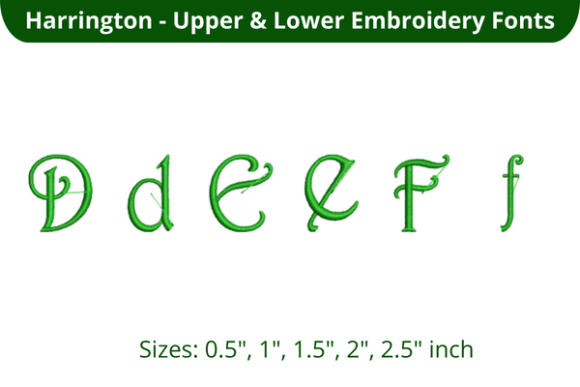
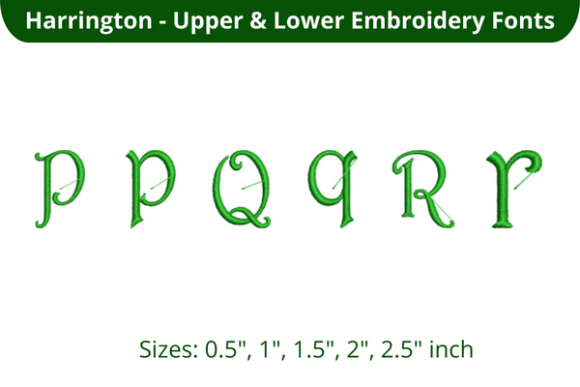
The immediate impression of Harrington Font PQR is one of structured elegance with a touch of approachability. It does not scream "loud" or "aggressive," which makes it an excellent candidate for brands that want to project professionalism without sacrificing warmth. For businesses operating in the Back To School sector, such as uniform suppliers or personalized stationery shops, this font strikes a balance between academic tradition and modern customization.
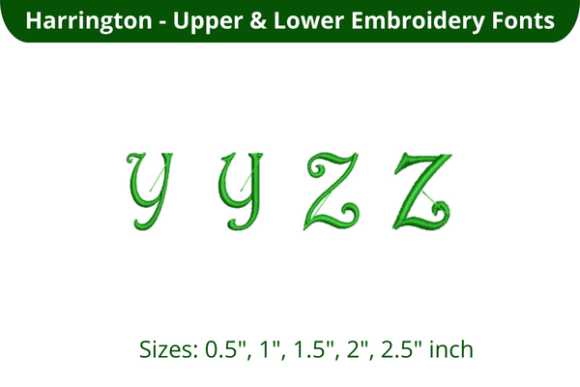
For handmade brands and creative studios, the font feels premium yet accessible. It lacks the overly decorative swirls that can often cause stitching issues, offering instead clean lines that translate well into thread. Whether you are aiming for a rustic bakery vibe or a sleek floral studio aesthetic, Harrington Font PQR provides a neutral but distinct foundation. It allows the brand’s color palette to take center stage while ensuring the text remains legible and impactful.
Real-World Applications for Small Business Merchandise
The true test of any digital embroidery file is its versatility across different substrates and products. Here is how I envision Harrington Font PQR performing in various commercial scenarios:
- Embroidered Patches: This is perhaps the strongest use case. The font’s structure holds up well when converted into a satins-stitch patch. For local businesses like coffee shops or pet brands, these patches can be sewn onto denim jackets, canvas bags, or hats as limited-edition merch. The clarity of the letters ensures that even at moderate sizes, the brand name or slogan remains readable.
- Staff Uniforms and Aprons: For hospitality businesses, apron embroidery adds a layer of sophistication. Harrington Font PQR works beautifully for staff names or role titles on chest pockets. It conveys a sense of order and care, which translates directly to customer trust. The font is not so bold that it overwhelms the fabric, nor so thin that it gets lost in the weave.
- Cap Embroidery: Curved surfaces are notoriously difficult for typography. However, the balanced spacing in this font suggests it would perform well on the front panel of a baseball cap. It avoids the common pitfall of letters merging together when stitched on a curved hoop, making it ideal for team caps or branded giveaways.
- Tote Bag Design: Canvas tote bags are a staple for bookstores, markets, and eco-friendly brands. Using Harrington Font PQR for a central logo or a witty quote creates a high-quality handmade product feel. The font’s weight provides enough coverage to look substantial against the textured fabric of a tote, enhancing the bag’s durability and visual appeal.
Navigating Technical Challenges and Fabric Constraints
While Harrington Font PQR is a high-quality asset, experienced designers know that no font is universal. There are specific scenarios where caution is required to maintain the integrity of the commercial embroidery project.
Stitch Density and Texture: If you are working with delicate fabrics like silk or lightweight rayon, you must monitor the stitch density. While the description notes this is a high-quality design, always check the underlay settings. On textured fabrics like terry cloth or heavy fleece, ensure the font size is large enough so the stitches do not sink into the pile. A proper cut-away stabilizer is non-negotiable here to prevent puckering.
Small Scale Legibility: Avoid using this font for tiny details on items like collar tags or small pocket logos unless you have verified the minimum legible size. Intricate connections between letters can bridge with thread if scaled down too far. Always run a test stitch-out on scrap fabric identical to your production material before committing to a full batch of custom apparel.
Color Contrast: Because the font relies on clean lines, low contrast between the thread and fabric can render it invisible. For dark uniforms, use bright or metallic threads to make the Harrington Font PQR pop. For light fabrics, deep navy or black threads provide the necessary definition. Always create a printable mockup to show clients how the thread colors will interact with their chosen garment shades.
Enhancing Brand Identity and Customer Perception
In the world of small business, every touchpoint matters. Using a consistent, professional font like Harrington Font PQR across your design assets builds brand recognition. When a customer receives a tote bag with their name embroidered in this font, or sees a barista wearing an apron with crisp, clear lettering, it signals attention to detail.
This attention to detail increases the perceived value of the item. A plain t-shirt becomes a premium piece of merchandise; a simple cap becomes a collectible item. For Etsy sellers and crafters, this differentiation is crucial. It moves the product from "generic" to "bespoke." The font helps establish a visual consistency that customers subconsciously associate with reliability and quality. Whether it is used for event merch, customer gifts, or retail packaging accents, the typography acts as a silent ambassador for your brand.
Practical Designer Notes for Production
Before you purchase and start stitching, keep these practical steps in mind to ensure success with Harrington Font PQR:
- Verify File Specifications: The product description states this is a high-quality embroidery font, but it does not list exact stitch counts, file formats, or hoop sizes. Always check these details in the download package. Ensure your machine supports the provided formats (such as PES, DST, or JEF) before buying.
- Check Commercial Licensing: Confirm that the license allows for small business merch and commercial use. Some fonts are for personal use only, which can lead to legal issues if you are selling the finished goods.
- Test on Real Fabric: Digital previews can be misleading. Stitch out the font on the actual material you plan to use. Check for pull compensation issues, especially if you are using stretchy knits for custom apparel.
- Hoop Size Compatibility: Ensure the maximum height and width of the font fit within your standard hoop sizes. If you plan to do long quotes or dates, verify that the design can be split or resized without distorting the letter proportions.
- Thread Color Strategy: Start by testing the font in black and white. This removes the distraction of color and lets you evaluate the structural integrity of the stitches. Once satisfied, experiment with your brand’s specific thread colors.
In conclusion, Harrington Font PQR is a robust choice for designers looking to add a touch of refined professionalism to their Embroidery projects. It bridges the gap between decorative flair and functional clarity, making it a valuable addition to any small business’s design toolkit. By respecting its technical limitations and leveraging its visual strengths, you can create merchandise that not only looks great but also strengthens your brand’s presence in the market.