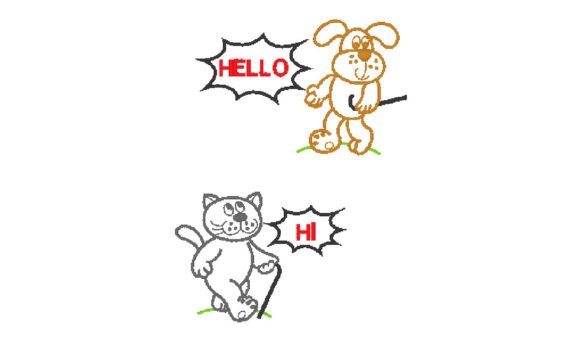
Cute Animals Embroidery Review for Small Business Merch
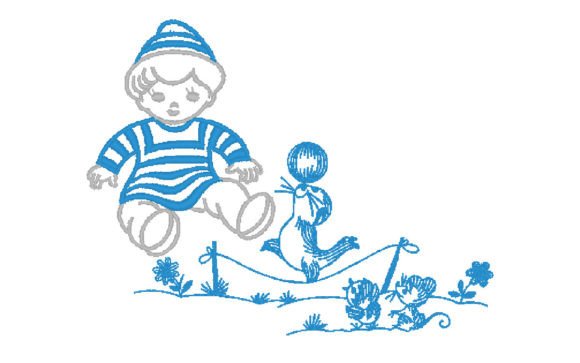
As an embroidery designer who has spent years digitizing and testing designs for commercial use, I approach every new machine embroidery design with a critical eye. It is not enough for a pattern to simply look adorable on a screen; it must perform flawlessly under the needle when applied to real-world products. Today, I am reviewing Cute Animals, a design from the Baby Animals category, specifically evaluating its potential for small business merchandise, branded patches, and custom apparel.
The product description promises that this pretty embroidery gives a nice look to your fabrics and serves as a playful accent on any material. For boutique owners, Etsy sellers, and local businesses, these claims hold significant weight. A design that can seamlessly transition from a digital file to a tangible brand asset is invaluable. Let us dive into how Cute Animals holds up in a professional setting.
First Impressions: Visual Personality and Brand Fit
Upon initial inspection, Cute Animals exudes a friendly and playful aesthetic. In the world of branding, tone is everything. This design does not attempt to be overly corporate or rigid. Instead, it offers a handmade, approachable vibe that is perfect for businesses wanting to appear accessible and warm. Think local bakeries, pet grooming studios, children’s boutiques, or creative craft studios. The visual language here is soft and inviting.
For a brand identity focused on community and care, this design works exceptionally well. It avoids the sterile look of generic clipart, offering instead a textured, stitched appearance that suggests quality and attention to detail. However, designers must ensure this playfulness aligns with their overall brand guidelines. If your business leans toward ultra-minimalist or industrial aesthetics, this might feel out of place. But for most consumer-facing small businesses, especially those in the lifestyle and family sectors, the charm factor is a strong selling point.
Real-World Applications for Small Business Merch
The true test of any digital embroidery file is its versatility. Here is how I envision Cute Animals performing across various commercial embroidery projects:
- Embroidered Patches: This is perhaps the strongest use case. A patch allows for mobility; you can sew it onto jackets, bags, or hats. The playful nature of the design makes it an excellent candidate for iron-on or sew-on patches sold as add-ons or included in customer gift bags.
- Apron Embroidery: For cafes and florists, staff uniforms are walking billboards. Placing this design on the chest pocket of an apron adds a personal touch that customers love. It breaks the monotony of plain uniforms and reinforces a friendly service attitude.
- Tote Bag Design: Reusable tote bags are a staple of eco-conscious retail. Embroidering Cute Animals on a canvas tote creates a high-value perceived item. Unlike printed ink, embroidery lasts longer and feels premium, encouraging customers to use the bag repeatedly, which increases brand visibility.
- Cap Embroidery: Hats are tricky due to the curved surface, but a well-digitized animal motif can work beautifully on the front panel or side. It serves as a subtle brand mark that is less aggressive than a large text logo.
- Boutique Merchandise: Imagine baby onesies, burp cloths, or plush toys. Since this falls under the Baby Animals category, it is naturally suited for nursery-related products. It elevates a simple textile into a keepsake.
Technical Considerations and Production Risks
While the aesthetic appeal is high, production realities must be addressed. The description notes that the design comes with multiple embroidery files, which is standard and necessary for different hoop sizes. However, without specific data on stitch count or density in the provided text, I must advise caution.
Stitch density is a critical factor. If the design is too dense, it can cause puckering, especially on lighter fabrics like cotton voile or thin polyester blends common in baby clothes. Conversely, if the density is too low, the fabric underneath might show through, ruining the clean look. I recommend running a test stitch-out on your actual production fabric before committing to a large batch.
Another concern is fabric texture. Embroidering on terry cloth, fleece, or thick denim requires different stabilizer strategies than embroidering on smooth poplin. For items that need frequent washing, such as staff uniforms or baby gear, ensure you use a cut-away stabilizer to maintain the integrity of the stitches over time. Pull-away stabilizers may degrade after multiple wash cycles, causing the design to distort.
Additionally, consider the scale. If you plan to use this as a tiny chest logo on a work shirt, verify that the details do not become muddy. Fine lines and small elements can get lost or break during sewing if the design is scaled down too far. Always check the smallest intended size on a scrap piece of fabric.
Enhancing Brand Identity and Customer Trust
Using a unique design like Cute Animals contributes significantly to brand recognition. In a market saturated with print-on-demand goods, embroidered items stand out. They signal effort and quality. When a customer receives a product with precise, colorful stitching, it builds trust. It suggests that the business cares about the finished product.
Consistency is key. If you use this design across various touchpoints—such as on packaging inserts, loyalty cards (as a printed mockup reference), and actual apparel—it creates a cohesive visual identity. This consistency helps customers remember your brand. Furthermore, handmade products with embroidery often command a higher price point. The tactile nature of thread adds value that flat printing cannot replicate.
Practical Designer Notes for Implementation
Before you load this embroidery file into your machine for a client order, follow these professional steps:
- Test in Black and White: Before selecting vibrant thread colors, stitch the design in black thread on white fabric. This reveals the structure and spacing without the distraction of color. It helps you identify any potential registration issues or gaps.
- Check Thread Color Contrast: Choose thread colors that contrast well with your base fabric. If you are embroidering on dark uniforms, you may need a satin column border or a backing patch to ensure the colors pop.
- Confirm Hoop Size: Ensure the file version you select matches your machine’s hoop capacity. Using a file meant for a 5x7 hoop in a 4x4 hoop will result in truncated designs.
- Create a Printable Mockup: Use digital tools to superimpose the design on photos of your actual products. Show this to clients for approval. It manages expectations and reduces the risk of dissatisfaction with placement or size.
- Verify Commercial Licensing: The description mentions it is for any material needing a playful accent, but always confirm the license terms. Ensure you have the right to use the design for commercial sales, especially if you are producing items for resale rather than personal use.
- Compare with Other Design Assets: Place Cute Animals next to your existing logos and fonts. Does it complement them? Or does it clash? Visual harmony is essential for a professional look.
Final Verdict for Embroidery Professionals
Cute Animals is a strong contender for small business owners looking to add a touch of warmth and personality to their merchandise. Its strength lies in its versatility and emotional appeal. It is not just a decoration; it is a tool for connection. Whether used on an apron in a cozy cafe or a patch on a child’s backpack, it delivers a message of friendliness and care.
However, success depends on execution. Pay close attention to stabilizer choice, fabric compatibility, and scale. Do not assume the default settings will work for every application. Test rigorously. By treating this machine embroidery design as a serious component of your brand strategy rather than just a cute graphic, you can leverage it to create high-quality, memorable products that resonate with your customers. For those in the handmade and custom apparel space, this design offers a reliable way to enhance product value and strengthen brand identity through the timeless appeal of embroidery.