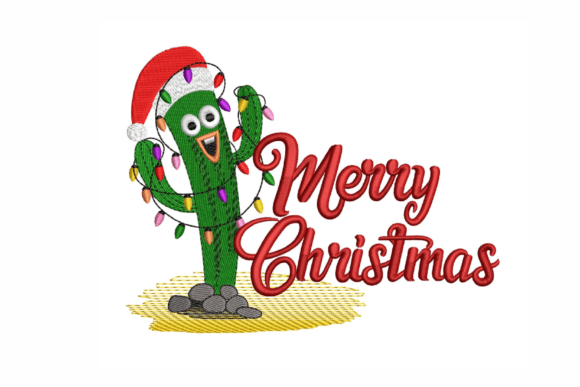
Reviewing Christmas Cactus for Boutique Sweatshirts
As an embroidery designer who spends more time staring at digitized stitch paths than I do sleeping, I am always on the hunt for designs that bridge the gap between trendy and timeless. When I stumbled upon the Christmas Cactus design on Creative Fabrica, my immediate thought was not just about the holiday season, but about the versatility of southwestern-inspired motifs in modern apparel. This machine embroidery design promises a cool southwestern touch, a aesthetic that has been gaining significant traction in boutique fashion circles. For those of us running small clothing brands or Etsy shops, finding a design that feels both festive and stylishly understated is a rare find.
First Impressions: Visual Personality and Stitch Mood
The first thing that strikes me about the Christmas Cactus is its visual personality. It does not scream "holiday" in the traditional, cluttered sense. Instead, it offers a refined, botanical elegance. The design feels premium yet approachable, striking a balance between rustic charm and modern minimalism. For a boutique brand, this is crucial. We are not just selling sweatshirts; we are selling a lifestyle. The stitching mood appears clean and deliberate, suggesting that when executed correctly, the finished product will look high-end rather than mass-produced.
The decorative strength of this piece lies in its simplicity. It avoids the trap of over-digitizing, which can often lead to bulky, stiff patches on soft fabrics. Instead, it seems to rely on shape and form, making it an ideal candidate for contemporary custom apparel. Whether you are aiming for a feminine touch on a pastel hoodie or a bold statement on a dark garment, the design’s inherent flexibility allows it to adapt to various brand identities.
Apparel Applications: From Hoodies to Tote Bags
Let’s talk about where this design truly shines. I recently began planning a small collection for the upcoming season, and Christmas Cactus immediately jumped to the top of my list for sweatshirt embroidery. Here is how I envision it performing across different garments:
- Hoodie Chest Placement: A left-chest placement on a neutral or oatmeal-colored hoodie creates a subtle, sophisticated look. It acts as a logo-like element that adds value without overwhelming the garment.
- Sleeve Accents: For a more trendy approach, placing the design on the lower sleeve of an oversized sweatshirt can create a unique visual interest. This works particularly well for younger demographics who appreciate unconventional detailing.
- Back Designs: If the design scales well, a larger version centered on the back of a crewneck sweatshirt can serve as a standalone graphic. This is perfect for creating statement pieces that stand out in social media graphics.
- T-Shirt Embroidery: On a high-quality cotton tee, this design adds a tactile element that printed graphics cannot match. It elevates a basic t-shirt into a handmade product worth a higher price point.
- Tote Bag Design: Canvas tote bags are staples for creative entrepreneurs. Embroidering this cactus motif on a natural canvas bag creates a durable, eco-friendly accessory that complements the southwestern vibe.
For Etsy sellers and small shop owners, these applications allow for a cohesive collection. You can offer the same design across multiple products, creating visual consistency that helps build buyer trust and brand recognition.
Fabric Considerations and Technical Challenges
While the aesthetic appeal is undeniable, the technical execution is where many designers stumble. The product description notes that this is a superb embellishment for any fabric needing a southwestern touch, but as professionals, we must be critical. The choice of stabilizer is paramount. For fleece and heavy sweatshirt materials, a cut-away stabilizer is generally recommended to prevent puckering, especially if the stitch density is high. However, since the specific stitch count and density details are not explicitly provided in the brief description, I strongly advise downloading a test file or checking the detailed product page on Creative Fabrica before committing to a full production run.
When working with stretchy fabric or ribbed cuffs, caution is required. Embroidery does not stretch. Placing a dense design on a highly elastic area can cause the fabric to warp or the stitches to break. I recommend testing on scrap fabric that matches your final garment’s weight and texture. This step is non-negotiable for maintaining professional presentation. Additionally, consider the thread colors carefully. A monochromatic look using tonal threads can make the design feel modern and subtle, while contrasting thread colors can highlight the intricate details of the cactus spines and blooms.
Enhancing Brand Value and Customer Engagement
Why choose Christmas Cactus over a generic snowflake or reindeer? Because it tells a story. It appeals to customers who love desert aesthetics, botanical themes, and non-traditional holiday decor. This specificity helps in targeting a niche audience, which is often more loyal and engaged. When you use a unique digital embroidery file like this, you differentiate your commercial embroidery products from the sea of print-on-demand items flooding the market.
Furthermore, the tactile nature of embroidery increases the perceived value of the item. Customers are willing to pay more for a finished product that features genuine stitching. It signals quality, effort, and attention to detail. For your online listings, close-up photos of the stitch work can significantly boost conversion rates. Use printable mockups to show how the design looks on different colored garments, but always supplement these with real-life photos to showcase the actual thread sheen and texture.
Practical Designer Notes for Production
Before you hoop up your first garment, keep these practical tips in mind to ensure success with the Christmas Cactus design:
- Check Licensing: Always review the license terms on Creative Fabrica. Ensure that the license covers commercial use for physical products if you plan to sell the embroidered items. This is vital for protecting your business.
- Confirm File Formats: The description mentions multiple embroidery file forms, but verify that your specific machine format (such as PES, DST, or JEF) is included. This saves time on conversion, which can sometimes alter stitch quality.
- Test Hoop Size: Determine the optimal hoop size for your desired placement. A smaller hoop might be better for chest logos, while a larger hoop is necessary for back prints. Ensure the design fits comfortably within your chosen hoop without hitting the edges.
- Inspect Stitch Density: If possible, view the simulation in your embroidery software. Look for areas where stitches might overlap excessively, which could cause thread breaks or fabric bunching.
- Thread Contrast: Experiment with thread colors against your fabric choices. Dark garments may require a lighter thread for visibility, while light garments can handle darker, bolder threads.
In conclusion, the Christmas Cactus embroidery design offers a refreshing take on seasonal decor. It is versatile enough for various apparel projects, from cozy hoodies to sturdy tote bags. By paying attention to technical details like stabilizer choice and fabric texture, you can transform this digital file into a standout physical product. For the modern embroidery designer, it represents an opportunity to blend southwestern flair with holiday cheer, creating pieces that resonate with today’s conscious, style-savvy consumers.