Review: I'm Just Here for the Stuffing Turkey Design
As an embroidery designer who has spent years digitizing and reviewing files for commercial use, I know that not every machine embroidery design is created equal. Some are purely decorative, while others are built to withstand the rigors of small business merchandise production. Today, I am taking a close look at I m Just Here for the Stuffing Turkey, a seasonal embroidery file that promises to bring festive cheer to a variety of textile products. For shop owners, Etsy sellers, and apparel decorators, understanding how a design performs in real-world applications is crucial before investing time and thread.
First Impressions and Visual Personality
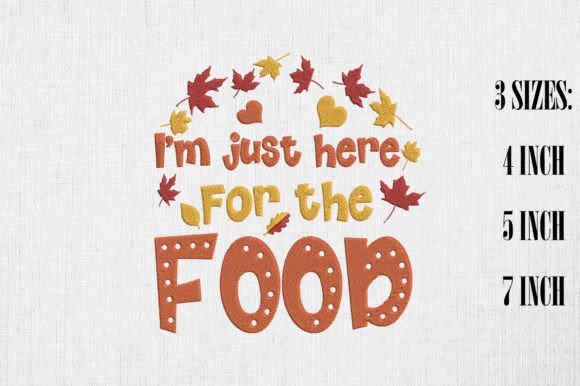
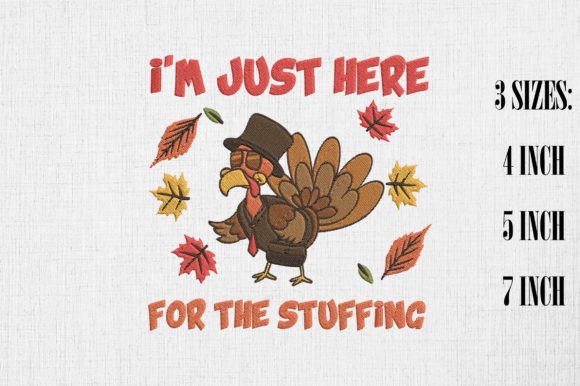
The title alone, I m Just Here for the Stuffing Turkey, suggests a playful, humorous tone. In the world of holiday merchandising, humor sells. It creates an immediate emotional connection with the buyer, who is likely looking for something lighthearted to wear during family gatherings. Visually, this design appears to balance rustic charm with modern readability. It does not strive for hyper-realism, which is often a mistake in smaller embroidery formats. Instead, it leans into a friendly, approachable aesthetic that feels handmade yet professional.
For a boutique or creative studio, this visual personality is ideal. It is not overly corporate, nor is it too childish. It sits comfortably in the "premium casual" category. When I review such designs, I look for clarity. Does the text legibility hold up? Is the turkey motif recognizable without excessive detail that could cause thread breaks? Based on the description, this design is intended to complement t-shirts, dresses, scarves, and home decor, suggesting a versatile scale that avoids extreme intricacy.
Real-World Business Applications
The true test of any digital embroidery file is its versatility across different product lines. Here is how I m Just Here for the Stuffing Turkey performs in various commercial scenarios:
- Embroidered Patches: This is perhaps the strongest use case. An embroidered patch allows customers to add festive flair to existing jackets or bags without committing to a permanent garment change. The design’s likely bold outlines make it suitable for patch borders, ensuring durability and a clean finish.
- Staff Uniforms and Aprons: For bakeries, cafés, or florists operating during the holiday season, apron embroidery adds a touch of team spirit. This design works well as a chest logo accent or a lower-corner detail on canvas aprons. It humanizes the brand, making staff appear approachable and fun.
- Cap Embroidery: Placing this on the front of a dad hat or trucker cap requires careful scaling. The curved surface of a cap can distort wide designs. However, if the turkey motif is compact, it serves as an excellent cap embroidery feature. It transforms a standard uniform piece into a conversation starter.
- Tote Bag Design: Canvas totes are staples for handmade brands. Using this as a central tote bag design element can boost sales during November. The contrast between the thread colors and the natural canvas texture usually yields a high-quality, rustic look that appeals to eco-conscious shoppers.
- Custom Apparel: Beyond standard tees, consider sweatshirts and hoodies. The design’s playful nature fits perfectly with the cozy vibe of fall and winter custom apparel. It serves as a great gift item for employees or loyal customers.
Technical Considerations for Production
While the aesthetic appeal is strong, technical execution determines whether the finished product looks professional or amateur. As a designer, I advise caution in several areas when working with this type of seasonal graphic.
First, consider stitch density. If the design is too dense, it can cause puckering, especially on lighter fabrics like t-shirts or scarves. Always test the file on a scrap piece of your actual production fabric. If you are embroidering on textured materials, such as terry cloth towels or heavy canvas, you may need to adjust pull compensation to ensure the text remains readable.
Second, pay attention to thread colors. The description mentions multiple embroidery options, which is beneficial. However, for brand consistency, you might want to customize the palette. Ensure there is sufficient contrast between the text and the background fabric. A common mistake is using low-contrast threads on dark uniforms, rendering the design invisible from a distance. Test your color combinations under store lighting conditions.
Third, evaluate the hoop size requirements. While the exact dimensions are not specified in the brief description, you must confirm that the design fits within your standard hoop capabilities. If you plan to produce these in bulk, using a larger hoop might slow down your workflow if you have to re-hoop frequently. Check if the design is optimized for 4x4, 5x7, or larger hoops to streamline your production line.
Finally, never underestimate the power of a proper stabilizer. For items that will undergo frequent washing, such as t-shirts and aprons, use a cut-away stabilizer to prevent distortion over time. For caps, use a stiff backing to maintain the structure of the embroidery on the curved panel.
Impact on Brand Identity and Customer Trust
Using a well-executed design like I m Just Here for the Stuffing Turkey can significantly enhance your brand identity. It shows that your business is current, engaged with cultural moments, and attentive to detail. High-quality embroidery signals professionalism. When a customer sees clean stitches, proper tension, and no loose threads, their trust in your brand increases.
This design can serve as a powerful tool for customer engagement. It is shareable content. People love posting photos of funny or cute holiday gear on social media. By offering this as part of your small business merch lineup, you encourage organic marketing. Furthermore, including such items in customer orders as gifts or add-ons can increase perceived value and foster loyalty.
However, consistency is key. Ensure that this design aligns with your overall visual language. If your brand is strictly minimalist and serious, a playful turkey might feel out of place. But for most handmade brands, crafters, and local boutiques, this design adds warmth and personality.
Practical Designer Notes for Implementation
- Test in Black and White First: Before committing to colorful threads, stitch out the design in black thread on white fabric. This reveals any issues with spacing, legibility, or stitch paths without the distraction of color.
- Check Small Patch Viability: If you plan to sell this as a small patch, reduce the size in your software and inspect the preview. Ensure the text does not become illegible and that fine details do not merge into a blob of thread.
- Create a Printable Mockup: Use a printable mockup to show clients or post on your website before producing inventory. This helps gauge interest and reduces waste from unsold stock.
- Verify Commercial Licensing: Always confirm the license terms of the design assets you purchase. Ensure you have the right to use the file for commercial embroidery and physical product sales. Never assume; always read the license agreement provided by the designer.
- Compare with Other Assets: Place this design alongside your other holiday offerings. Does it complement them? Creating a cohesive collection rather than standalone items can increase average order value.
In conclusion, I m Just Here for the Stuffing Turkey is a promising addition to any seasonal catalog. It balances humor with aesthetic appeal, making it suitable for a wide range of handmade product applications. By paying attention to technical details like stabilizer choice, thread contrast, and hoop size, you can ensure that every piece you produce reflects the high standards of your business. Whether used for staff uniforms, customer gifts, or retail merchandise, this design has the potential to drive engagement and sales during the Thanksgiving season. Always remember to check the specific file formats and stitch counts provided by the creator to ensure compatibility with your machines before starting production.