Duck Girl: A Designer’s Review for Personalized Gifts
As an embroidery designer who spends countless hours testing machine embroidery design files before they hit the market, I approach every new pattern with a critical eye. We are not just stitching thread into fabric; we are creating emotional connections. Recently, I loaded the Duck Girl design into my software to evaluate its potential for a personalized gift shop. The initial impression was immediate: this is a piece that balances whimsy with warmth. It is not merely a cartoon; it is a character that invites storytelling.
The mood of Duck Girl is undeniably friendly and playful. For those of us creating handmade products, finding designs that feel both modern and classic is a challenge. This design leans into a sweet, nostalgic aesthetic that appeals to a wide demographic. It feels soft, approachable, and perfectly suited for items meant to be cherished. Whether you are an Etsy seller looking for your next bestseller or a small business owner curating a nursery collection, understanding the nuance of this design is key to maximizing its value.
First Impressions: Charm and Emotional Appeal
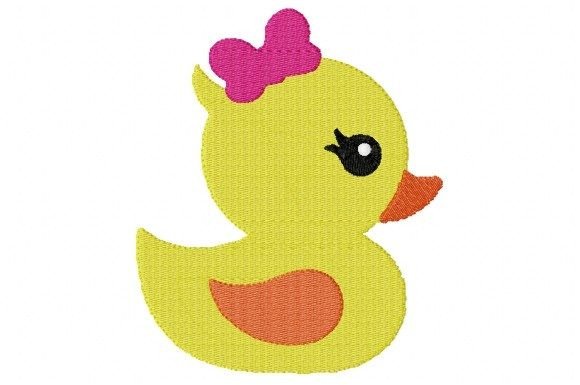
When I first viewed the preview of Duck Girl, I noticed the attention to detail in the character’s expression. In the world of Embroidery, facial features can make or break a design. If the eyes are too close together or the smile is asymmetrical, the charm is lost. Fortunately, this design maintains a balanced, adorable proportion that reads well even at smaller sizes. The lines are clean, suggesting a professional digitization that respects the integrity of the thread.
The emotional appeal here is strong. It evokes feelings of comfort and childhood innocence. This is crucial for personalized gift items because buyers are often looking for something that conveys care. A generic design feels mass-produced, but Duck Girl feels like a friend. This distinction is what allows crafters to charge a premium for their handmade product offerings. The design does not scream for attention; instead, it whispers a gentle invitation to smile.
Versatility Across Product Categories
One of the most important aspects of any digital embroidery file is its versatility. During my review, I mapped out where Duck Girl could perform best. The description suggests it adds a friendly accent to any fabric, and I agree. However, strategic placement is everything.
- Baby Embroidery: This is the most obvious application. Imagine this stitched onto a muslin swaddle or a onesie. The playful nature of the duck aligns perfectly with nursery themes.
- Home Decor: An embroidered towel featuring this design would be a hit in a kitchen or bathroom. It adds a touch of personality to everyday items.
- Wedding and Keepsakes: While not traditionally romantic, Duck Girl could serve as a charming motif for a baby shower wedding gift or a christening blanket. It represents new beginnings and joy.
- Accessories: Tote bags and aprons benefit from central, eye-catching motifs. This design has the presence to stand alone on a canvas tote.
For those selling in the Bed category, consider blanket embroidery. A corner placement on a fleece or cotton blend blanket creates a sophisticated yet cozy look. Similarly, a pillow cover with this design can anchor a child’s reading nook. The key is to match the thread colors to the existing decor palette, ensuring the design complements rather than clashes.
Technical Considerations for Makers
While the aesthetic is delightful, the technical execution requires careful planning. As a professional, I always advise checking the specifics of the embroidery file before committing to a final product. Since the provided description does not list exact technical specs, you must verify these details yourself.
First, assess the stitch density. High-density designs can puckering lightweight fabrics, while low-density designs may show the background fabric too much on thick materials. Duck Girl appears to have a moderate density, but you must test it. Always use the appropriate stabilizer. For stretchy baby clothes, a cut-away stabilizer is essential to prevent distortion after washing. For towels, a tear-away might suffice, but ensure the backing does not leave residue on the loops.
Second, consider the hoop size. Ensure the design fits comfortably within your machine’s hoop without hitting the edges. If you are scaling the design down for small items like socks or bibs, check that the fine details remain clear. Small lettering or intricate outlines can merge if the design is reduced too much. Always stitch out a test on scrap fabric that matches the texture of your final product. Fabric texture plays a huge role; a plush minky fabric will swallow small stitches, while a smooth cotton will display them sharply.
Navigating Fabric and Color Challenges
Color contrast is another critical factor. Duck Girl likely relies on specific thread colors to define its features. On dark fabric, you may need to add an underlay or choose lighter thread shades to ensure visibility. Conversely, on white fabric, ensure the outlines are distinct enough to prevent the design from looking washed out. Create printable mockup images using digital tools to visualize how the design looks on different backgrounds before you stitch.
Be cautious with curved surfaces. Embroidering on a rounded item like a hat or a stuffed animal requires precise hooping techniques. If the custom embroidery is off-center, the playful effect is ruined. Take your time to mark the center point accurately.
Enhancing Giftability and Perceived Value
Why does Duck Girl matter for your bottom line? Because it enhances giftability. A plain towel is a commodity; a towel with a cute, high-quality embroidered duck is a personalized gift. This transformation increases the perceived value of the item. Customers are willing to pay more for items that feel unique and thoughtful.
For Etsy seller accounts and small shop owners, this design can drive buyer engagement. Product photography becomes easier when the subject is inherently photogenic. The friendly face of the duck draws the eye in thumbnail images. When customers see a finished product that looks professional and sweet, trust is established. They perceive the maker as skilled and attentive to detail.
Moreover, this design fosters an emotional connection. People buy gifts to express feelings. Duck Girl communicates joy and tenderness. When a customer receives a blanket with this design, they feel cared for. This emotional resonance leads to repeat business and positive reviews, which are the lifeblood of any small shop product line.
Final Verdict and Best Practices
In conclusion, Duck Girl is a strong contender for any embroidery portfolio focused on children, home decor, and personalized gifts. Its strength lies in its universal appeal and adaptable charm. However, success depends on execution.
- Test Rigorously: Never skip the test stitch. Check for thread breaks, nesting, and alignment.
- Verify Licensing: Before selling, confirm the commercial licensing terms of the digital embroidery file. Ensure you have the right to sell commercial embroidery items made with this design.
- Curate Your Collection: Pair Duck Girl with complementary designs to create themed sets. A matching set of towel and washcloth sells better than a single item.
- Highlight Quality: In your product descriptions, mention the quality of the stitching and the care taken in production. Use terms like "precision stitched" and "soft thread" to enhance appeal.
By treating this design with the respect it deserves, you can create beautiful, meaningful items that resonate with customers. Whether for a baby shower, a birthday, or just because, Duck Girl brings a smile to the face of both the maker and the receiver. Embrace the playful spirit of this design, and let it elevate your handmade product offerings to new heights.